Owning a pool comes with more responsibility than most homeowners expect. Clear water and a functioning filtration system do not happen by accident. Consistent upkeep, proper water chemistry, and attention to small warning signs are what keep a pool usable throughout the season without constant repairs or unexpected downtime. Effective pool care routines are not about making maintenance more complicated. They are about creating repeatable habits that prevent avoidable problems before they become expensive.
Many pool issues start gradually. Water chemistry drifts out of balance, debris accumulates inside the filtration system, or circulation weakens due to unnoticed buildup. By the time the symptoms become obvious, the solution is usually more time-consuming and more expensive than regular maintenance would have been. Understanding how to manage a pool proactively helps protect equipment, maintain water quality, and create a safer environment for everyone using it.
Key Takeaways
- Consistent water testing prevents chemical imbalance from damaging pool surfaces, equipment, and water clarity over time.
- Small maintenance habits often reduce the likelihood of major repair costs during peak swimming season.
- Filtration performance depends heavily on circulation, cleaning schedules, and proper system pressure monitoring.
- Seasonal adjustments should influence maintenance routines because temperature and usage directly affect water chemistry.
- Preventive inspections help identify equipment strain before it leads to leaks, pump failure, or poor circulation.
Why Consistent Pool Maintenance Matters
Many homeowners focus on cleaning only when the pool visibly looks dirty. In reality, maintenance is most effective when it prevents visible problems from happening in the first place. Water chemistry, circulation, and sanitation systems are constantly changing due to weather, swimmer activity, sunscreen residue, leaves, and environmental debris. Without regular monitoring, even a clean-looking pool can develop conditions that encourage algae growth, cloudy water, or equipment deterioration.
Consistent maintenance also helps preserve the lifespan of major pool components. Pumps, heaters, filters, and chlorination systems operate under stress during the swimming season. When water flow becomes restricted or chemistry becomes unstable, those systems work harder than intended. Over time, that added strain can shorten equipment lifespan and increase operating costs. Reliable maintenance routines reduce unnecessary wear while helping systems operate efficiently.
There is also a financial advantage to staying proactive. Emergency repairs often cost significantly more than preventative service because multiple systems may already be affected once a problem becomes noticeable. A neglected filter can lead to circulation problems, which may eventually impact sanitization and water quality. Addressing smaller maintenance concerns early helps avoid larger service calls later in the season.
Understanding Water Chemistry and Balance
Water chemistry is one of the most important parts of effective pool care because even small imbalances can affect comfort, sanitation, and equipment performance. Properly balanced water protects swimmers while helping prevent corrosion, scaling, and algae growth. Many pool owners focus only on chlorine levels, but overall water balance involves several interconnected factors.
The Role of pH and Alkalinity
pH measures how acidic or basic the pool water is. When pH levels drift too high, chlorine becomes less effective, and scaling may begin forming along pool surfaces and equipment. When pH becomes too low, water can become corrosive and damage liners, fittings, and internal equipment components. Total alkalinity helps stabilize pH levels and prevents rapid fluctuations that make chemical management more difficult.
Maintaining balanced pH and alkalinity improves swimmer comfort as well. Improper levels often contribute to eye irritation, dry skin, and strong chemical odours that many people mistakenly associate with excessive chlorine. As recommended by the Canadian government, proper water chemistry plays a major role in keeping pools safe and sanitary.
Why Regular Water Testing Matters
Testing water once every few weeks is rarely enough during active swimming months. Temperature changes, rainfall, and increased pool usage can alter chemistry quickly. Regular testing allows homeowners to identify small changes before they create larger issues.
Accurate testing also prevents overcorrection. Many pool owners add excessive chemicals without fully understanding the existing water balance. This often creates additional instability and makes future adjustments harder to manage. Consistent monitoring paired with gradual adjustments helps maintain more predictable water conditions throughout the season.
Using professional-grade testing methods or reliable digital systems often provides better long-term accuracy than relying solely on inexpensive test strips. This is especially important when dealing with recurring cloudiness or algae concerns.
Building Effective Weekly Cleaning Habits
A clean pool depends on more than chemical treatment. Physical debris and organic contaminants continuously enter the water, even when the pool appears relatively clean. Leaves, pollen, insects, oils, and dirt all contribute to filtration strain and water imbalance. Developing reliable weekly cleaning habits helps reduce stress on the pool system while improving overall water quality.
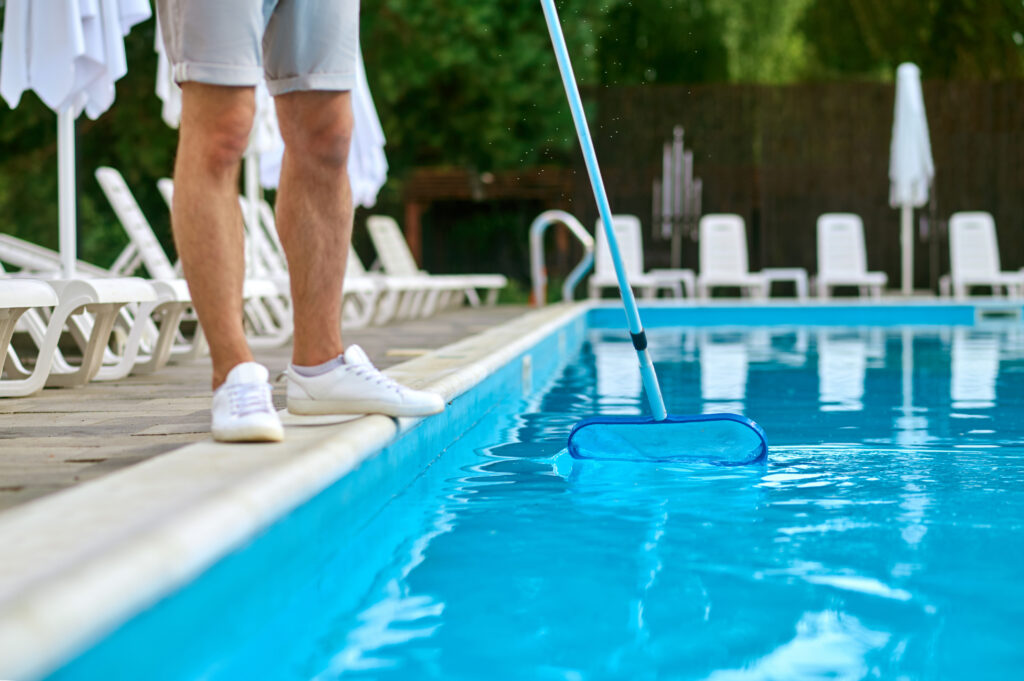
Skimming the surface daily helps prevent debris from sinking to the bottom, where removal becomes more difficult. Organic material that remains in the water for extended periods can also affect chlorine demand and contribute to staining. Vacuuming the pool regularly removes sediment that filtration systems may not fully capture on their own.
Brushing pool walls is another commonly overlooked task. Algae and biofilm often begin forming along walls and steps before becoming visible in open water. Regular brushing disrupts buildup before it spreads. This becomes especially important during warmer weather when bacteria and algae reproduce more rapidly.
Many homeowners also underestimate the importance of basket maintenance. Pump baskets and skimmer baskets collect debris before it reaches the filtration system. Allowing them to overfill restricts water flow and reduces circulation efficiency. Even the best pool cleaning service cannot fully compensate for ongoing circulation issues caused by neglected baskets and restricted flow.
Maintaining Proper Circulation and Filtration
Circulation is responsible for distributing chemicals evenly, moving debris toward filtration systems, and preventing stagnant areas where algae may begin developing. Poor circulation often causes maintenance issues even when chemical levels appear balanced during testing.
The filtration system works continuously during swimming season and requires consistent attention. Dirty filters force pumps to work harder while reducing overall water turnover. Monitoring filter pressure helps identify when cleaning or backwashing is necessary. Waiting too long between cleanings places unnecessary strain on the entire system.
Signs Your Filtration System Needs Attention
Several warning signs may indicate developing filtration problems. Weak return flow, cloudy water, or difficulty maintaining chlorine levels often suggest reduced circulation. Unusual pump noises may also indicate air leaks or restricted water movement.
Ignoring these symptoms can gradually affect additional pool systems. Heaters may struggle with inconsistent flow, while chlorination systems may distribute chemicals unevenly. Identifying circulation issues early often prevents larger repair costs later.
How Weather Affects Pool Performance
Environmental conditions directly impact filtration demand and chemical stability. Heavy rain introduces contaminants while diluting chemical concentrations. Hot temperatures accelerate chlorine consumption and encourage algae growth. Wind increases debris accumulation and may overload skimmer systems during certain periods.
Adjusting maintenance schedules based on weather conditions is an important part of effective maintenance. Pools typically require more frequent testing and cleaning during periods of high heat or heavy use.
Common Maintenance Mistakes Homeowners Make
Many recurring pool problems are linked to avoidable maintenance habits rather than major system failures. Understanding these mistakes helps homeowners create more efficient and manageable routines.
One of the most common mistakes is relying solely on appearance when evaluating water quality. Clear water does not always indicate balanced or sanitary conditions. Harmful bacteria and chemical imbalance may still exist even when the water looks visually clean.
Another issue involves inconsistent maintenance schedules. Skipping routine cleaning during busy weeks often allows small problems to compound. Once algae growth begins or circulation weakens, restoring balance usually requires significantly more effort than maintaining consistency would have.
Overusing chemicals is another frequent concern. Excessive chlorine shock treatments or unnecessary chemical additions often create instability rather than improving water quality. Accurate testing and measured adjustments are far more effective than reactive overcorrection.
Homeowners also sometimes neglect equipment inspections until visible leaks or failures occur. Pumps, seals, fittings, and valves should be checked periodically for early signs of wear. Small drips or unusual noises may indicate developing issues that become more expensive if ignored.
Seasonal Adjustments That Improve Pool Performance
Pool maintenance should evolve throughout the swimming season rather than remain static. Spring opening routines differ significantly from mid-summer maintenance priorities. Understanding seasonal changes helps homeowners adapt their approach more effectively.
During early-season startup, filtration systems often require deeper cleaning after winter inactivity. Water chemistry may fluctuate more aggressively during initial balancing because fresh water, debris accumulation, and temperature shifts all affect stability. Establishing strong maintenance habits early creates better consistency throughout the season.
Mid-summer maintenance focuses more heavily on sanitation and circulation due to increased usage and warmer temperatures. Pools often experience higher chlorine demand during periods of heavy activity. Increased evaporation may also affect chemical concentration levels and water balance.
Toward the end of the season, preventative inspections become more important. Identifying worn equipment, small leaks, or declining circulation before winter preparation helps prevent complications during seasonal closing procedures. Reviewing equipment condition before colder weather arrives also makes future openings more manageable.
Consistent water balance tips become especially valuable during seasonal transitions because environmental conditions shift rapidly during spring and late summer months.
When Professional Maintenance Makes Sense
Some pool owners prefer managing all maintenance independently, while others benefit from professional support during certain periods of the year. The right approach often depends on pool size, usage frequency, equipment complexity, and homeowner availability.
Professional service can provide more detailed system inspections and identify subtle issues before they escalate. Experienced technicians often recognize early signs of circulation problems, equipment wear, or chemical instability that homeowners may overlook. This becomes especially valuable for pools with automated systems, heaters, or advanced filtration setups.
Routine service also creates consistency during busy periods. Homeowners who travel frequently or manage demanding schedules may struggle to maintain regular testing and cleaning intervals. Professional maintenance helps prevent gaps that allow water quality issues to develop.
Working with experienced providers also improves long-term equipment management. Technicians can recommend maintenance adjustments based on weather conditions, seasonal changes, and pool usage patterns rather than relying on generic schedules.
Creating a More Sustainable Maintenance Routine
The most effective maintenance strategies are sustainable over time. Overly complicated routines often become inconsistent because they require more time and effort than homeowners can realistically maintain throughout the season. Simpler, structured systems usually produce better long-term results.
Creating a weekly checklist helps maintain consistency without feeling overwhelmed. Breaking maintenance into manageable tasks such as water testing, skimming, brushing, and equipment inspection makes routines easier to follow. Consistency matters far more than occasional deep cleaning sessions.
Investing in quality equipment also improves efficiency. Reliable testing kits, properly sized filtration systems, and effective circulation equipment reduce ongoing maintenance demands. Poor-quality tools often create inconsistent results and increase frustration during routine upkeep.
Homeowners should also pay attention to usage patterns. Pools used heavily during weekends or gatherings may require temporary adjustments in chemical management and cleaning frequency. Tailoring routines around actual pool activity helps maintain more stable water conditions.
Keep Your Pool Running Smoothly With the Right Support
Effective pool maintenance is less about reacting to problems and more about preventing them through consistency, awareness, and practical upkeep habits. Reliable maintenance routines help protect water quality, improve equipment performance, and reduce avoidable repair costs throughout the swimming season. Small maintenance decisions made weekly often determine whether a pool remains manageable or becomes a constant source of frustration.For homeowners looking for experienced guidance and dependable seasonal support, Northern Lights Pools offers professional maintenance solutions tailored to real-world pool ownership needs. Contact us today to learn more about seasonal service options and ongoing pool support.