
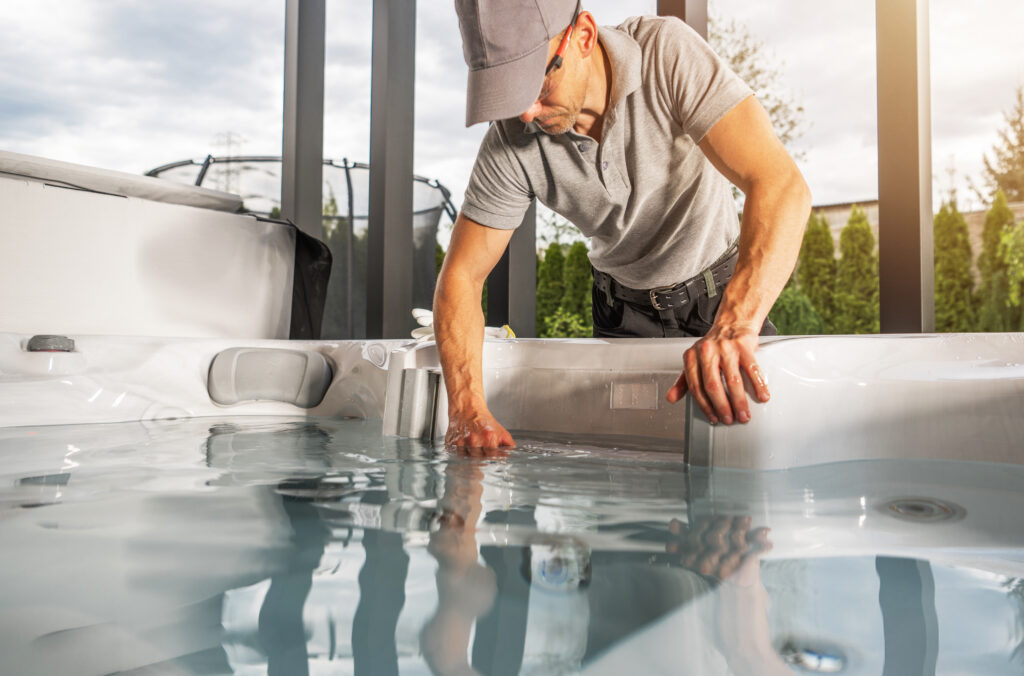
Owning a hot tub can be a great way to relax, recover after long days, and enjoy year-round comfort at home. However, maintaining a hot tub properly requires more attention than many owners initially expect. Warm water, smaller water volume, and frequent use create conditions where bacteria, chemical imbalance, and equipment strain can develop quickly if regular upkeep is ignored. Consistent hot tub maintenance helps protect water quality, preserve equipment performance, and create a safer, more comfortable experience overall.
Unlike larger swimming pools, hot tubs operate at elevated temperatures that accelerate chemical reactions and increase sanitizer demand. Oils, lotions, body products, and organic contaminants also accumulate faster due to the compact water volume. Without a structured maintenance routine, problems such as cloudy water, unpleasant odours, scaling, or circulation issues can become difficult to manage. Understanding how to care for water chemistry, filtration systems, and cleaning schedules helps hot tub owners avoid many of the most common maintenance frustrations.
Key Takeaways
- Warm water increases sanitizer demand, making consistent chemical monitoring more important than many owners realize.
- Proper filtration maintenance directly affects water clarity, circulation efficiency, and overall equipment performance.
- Small cleaning habits help reduce buildup from oils, debris, and contaminants that strain hot tub systems.
- Preventative inspections often identify circulation or heating issues before they become larger repair concerns.
- Consistent water management improves comfort, extends equipment lifespan, and reduces unnecessary maintenance costs.
Why Hot Tub Maintenance Requires Consistency
Many hot tub issues develop gradually rather than appearing all at once. Water may initially look clean even while sanitizer levels decline or filtration efficiency weakens. By the time symptoms such as cloudy water or strong odours become obvious, the underlying imbalance has often been developing for days or weeks.
The compact size of hot tubs contributes significantly to this challenge. Because there is less water volume to dilute contaminants, body oils, sweat, lotions, and environmental debris affect chemistry much faster than they would in a larger swimming pool. High temperatures also accelerate bacterial growth if sanitizer levels are not maintained consistently.
Regular upkeep helps stabilize these changing conditions before they create larger maintenance problems. Reliable maintenance routines reduce strain on filtration systems, improve water clarity, and help maintain more balanced chemistry throughout the year. Preventive maintenance also minimizes the likelihood of expensive equipment failures caused by neglected circulation systems or scaling buildup.
There is also a comfort factor involved. Poorly maintained hot tubs often cause skin irritation, unpleasant odours, or inconsistent water temperature. Maintaining proper balance creates a more enjoyable experience while helping protect long-term system performance.
Understanding Water Chemistry in Hot Tubs
Water chemistry is one of the most important aspects of hot tub ownership because small imbalances can escalate quickly in warm water conditions. Sanitizer levels, pH balance, alkalinity, and calcium hardness all work together to influence water clarity, comfort, and equipment protection.
Why Sanitizer Levels Change Quickly
Hot tubs experience heavy sanitizer demand because elevated temperatures encourage bacteria and organic activity. Frequent use introduces additional contaminants that consume chlorine or bromine more rapidly. As sanitizer levels drop, water may begin developing bacteria, cloudiness, or unpleasant odours, even if the surface still appears relatively clear.
Consistent testing helps owners monitor these changes before they become larger concerns. Waiting until visible problems appear often requires stronger corrective treatments and more extensive cleaning procedures.
Managing pH and Alkalinity
pH balance affects both swimmer comfort and equipment condition. Water that becomes too acidic may corrode components and irritate skin, while overly alkaline water may lead to scaling and cloudy conditions. Total alkalinity helps stabilize pH and prevent sudden chemical fluctuations.
Maintaining balanced water chemistry also improves sanitizer effectiveness. Chlorine and bromine become less efficient when pH drifts outside recommended ranges, making it harder to maintain safe water conditions consistently.
Following reliable hot tub water care practices helps create more stable water conditions while reducing unnecessary chemical adjustments throughout the week.
Cleaning Habits That Improve Water Quality
Chemical treatment alone is not enough to maintain a clean hot tub. Physical cleaning routines help remove contaminants before they accumulate inside the system and affect circulation or filtration performance.
Wiping down the waterline regularly helps remove oils and residue that collect around the shell surface. If left untreated, this buildup may contribute to biofilm development and create unpleasant odours. Cleaning surfaces consistently also helps maintain the visual appearance of the hot tub itself.
Skimming debris after each use helps reduce strain on the filtration system. Leaves, insects, hair, and other debris quickly affect circulation efficiency if they remain in the water for extended periods. Small daily cleaning habits often prevent larger weekly maintenance challenges.
Draining and refilling the hot tub periodically is another important part of long-term care. Even with proper chemical balancing, dissolved solids gradually accumulate in the water over time. Fresh water replacement helps restore balance and improve overall water quality.
Reliable hot tub cleaning tips also include rinsing filters regularly and avoiding excessive use of body products before entering the spa. Lotions, oils, and cosmetics contribute significantly to cloudy water and filtration buildup.
Why Filtration Maintenance Matters
Filtration systems play a major role in maintaining clean and balanced hot tub water. Circulation moves contaminants toward the filter while helping distribute sanitizer evenly throughout the spa. When filtration performance weakens, water quality problems often follow quickly.
Dirty or clogged filters restrict circulation and reduce cleaning efficiency. Pumps must work harder when water flow becomes restricted, increasing equipment strain and energy usage. Cleaning filters regularly helps maintain stronger circulation and more effective filtration performance.
Signs of Reduced Filtration Efficiency
Several warning signs may indicate developing filtration problems. Cloudy water, weak jet pressure, unusual pump noise, or difficulty maintaining chemical balance often suggest circulation issues. Ignoring these symptoms may eventually place additional stress on heating systems and other components.
Inspecting filters regularly helps identify buildup before circulation becomes severely restricted. Depending on usage frequency, filters may require cleaning every few weeks and periodic replacement over time.
The Relationship Between Circulation and Water Balance
Poor circulation affects more than water clarity alone. Sanitizers and balancing chemicals rely on water movement for even distribution throughout the spa. Areas with weak circulation may develop bacteria or algae buildup more easily because sanitizer concentrations become inconsistent.
Proper circulation also helps maintain stable temperature conditions. Hot tubs with restricted flow may struggle to heat evenly or maintain desired temperatures during heavy use periods.
Common Maintenance Mistakes
Many avoidable hot tub problems result from inconsistent maintenance habits or misunderstandings about water care. Understanding these mistakes helps owners create more reliable upkeep routines.
One common issue involves testing water too infrequently. Because hot tubs experience rapid chemical changes, weekly testing alone may not always be enough during periods of heavy use. More frequent monitoring helps identify shifts before water quality deteriorates significantly.
Another mistake is adding excessive chemicals without understanding the current balance. Overcorrection often creates additional instability rather than solving the original issue. Gradual adjustments based on accurate testing provide more consistent results.
Some owners also overlook filter maintenance while focusing primarily on chemical treatment. Even balanced water may become cloudy if filtration systems cannot circulate effectively. Cleaning filters consistently is essential for maintaining overall water clarity.
Ignoring small equipment changes is another preventable problem. Reduced jet pressure, unusual noises, or inconsistent heating may indicate developing circulation or pump issues. Addressing these concerns early often prevents more expensive repairs later.
Seasonal Considerations for Hot Tub Owners
Seasonal changes influence maintenance needs even though hot tubs may remain operational year-round. Temperature shifts, outdoor debris, and usage patterns all affect water chemistry and equipment performance differently throughout the year.
Summer conditions often increase contamination from sunscreen, sweat, and heavier usage. Hot weather may also accelerate sanitizer consumption and evaporation rates. More frequent testing and cleaning may become necessary during periods of increased activity.
During colder months, heating systems and circulation equipment experience additional workload as they maintain higher water temperatures against outdoor conditions. Cover quality becomes especially important because heat loss increases operating costs and places additional strain on the system.
Outdoor debris also changes seasonally. Spring pollen, falling leaves, and winter moisture all influence cleaning schedules differently. Adapting maintenance routines based on seasonal conditions helps maintain more stable performance throughout the year.
When Professional Service Becomes Valuable
Some hot tub owners prefer handling all maintenance independently, while others benefit from professional support during busy periods or when water issues become difficult to manage. Professional service often provides additional consistency and technical insight that helps prevent ongoing problems.
Experienced technicians can identify subtle warning signs that homeowners may overlook. Small circulation irregularities, heater performance issues, or recurring chemistry instability often indicate underlying concerns that require attention before larger failures occur.
Professional maintenance also improves efficiency during water balancing and equipment inspections. Technicians typically use more advanced testing methods that provide greater accuracy than basic consumer kits. This becomes especially valuable when dealing with recurring cloudiness or difficult-to-balance water conditions.
Routine service also helps extend equipment lifespan. Pumps, heaters, jets, and filtration systems all benefit from preventative inspections and cleaning schedules that reduce unnecessary strain during operation.
Building a More Manageable Maintenance Routine
The most effective maintenance routines are practical and sustainable. Overly complicated schedules often become inconsistent over time, especially for homeowners balancing multiple responsibilities throughout the week.
Creating a structured checklist helps simplify upkeep. Dividing maintenance into daily, weekly, and monthly tasks makes routines easier to manage consistently. Daily skimming, weekly water testing, and monthly deep cleaning create a more balanced approach than attempting large cleanups infrequently.
Investing in reliable equipment also improves maintenance efficiency. Quality testing kits, properly fitted covers, and effective filtration systems reduce ongoing frustration while improving overall water stability.
Hot tub owners should also pay attention to usage patterns. Heavy use during gatherings or colder months may require temporary increases in testing frequency and sanitizer management. Adapting routines based on actual usage helps maintain more stable conditions long-term.
Keep Your Hot Tub Clean, Balanced, and Ready to Use
Consistent maintenance helps protect water quality, improve equipment performance, and reduce the likelihood of avoidable repair issues over time. Warm water environments require proactive care because chemistry, circulation, and filtration conditions can change quickly without regular attention. Establishing reliable cleaning habits and preventative maintenance routines creates a safer, more comfortable spa experience while helping systems operate more efficiently year-round.
For homeowners looking for professional support and dependable seasonal care, Northern Lights Pools provides maintenance services designed to keep hot tubs operating smoothly throughout every season. Reach out today to learn more about available service options.