
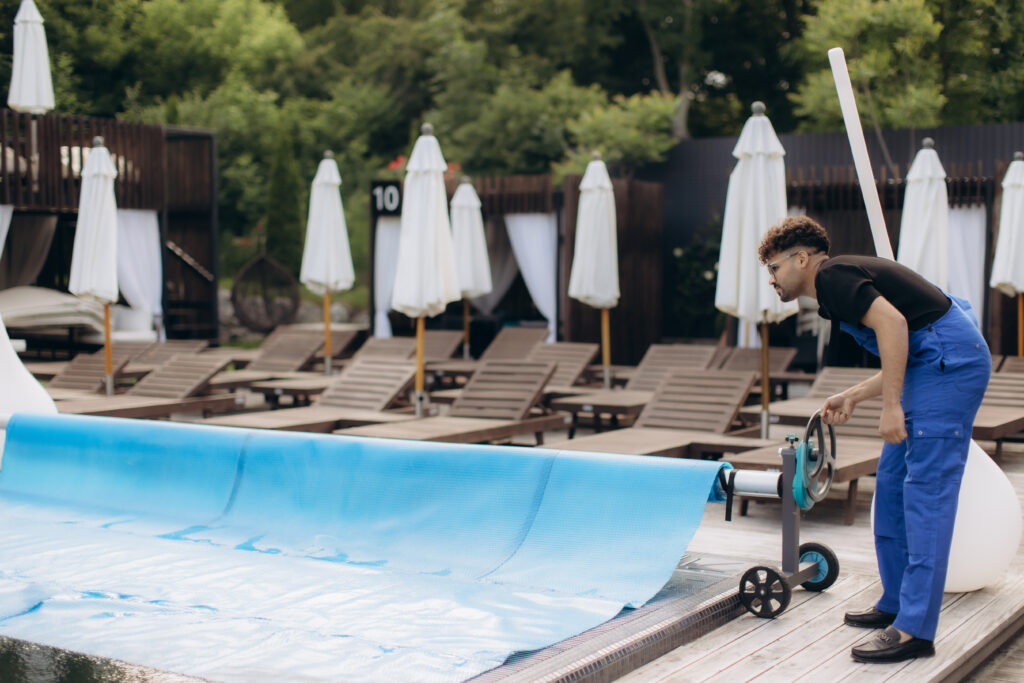
Seasonal transitions can have a major impact on a pool’s condition, equipment performance, and water quality. Many homeowners focus heavily on summer maintenance while underestimating how important proper seasonal preparation is before and after peak swimming months. In reality, neglecting opening and closing procedures often creates problems that continue throughout the season, from cloudy water and algae growth to damaged equipment and costly repairs. Reliable pool opening and closing services help create a smoother transition between seasons while protecting the systems that keep a pool functioning properly.
Opening a pool involves much more than removing a cover and turning on the pump. Water chemistry needs to be stabilized, filtration systems inspected, circulation restored, and equipment tested before regular use begins. Closing procedures are equally important because colder temperatures and winter conditions can damage plumbing lines, pumps, and structural components if the pool is not properly prepared. Seasonal maintenance is not simply about convenience. It plays a direct role in preserving equipment lifespan, reducing long-term repair costs, and maintaining safe swimming conditions year after year.
Key Takeaways
- Proper seasonal preparation helps reduce the likelihood of equipment damage caused by temperature changes and inactivity.
- Opening procedures establish water balance and circulation before minor issues develop into larger maintenance problems.
- Closing a pool correctly protects plumbing, filtration systems, and surfaces from winter-related stress and deterioration.
- Seasonal service inspections often identify hidden wear or equipment concerns before peak swimming season begins.
- Consistent seasonal maintenance improves long-term efficiency while reducing avoidable repair and cleanup expenses.
What Happens During Pool Opening
Many homeowners underestimate how much preparation is required to safely reopen a pool after winter. Pools that remain inactive for months experience significant changes in water condition, debris accumulation, and system functionality. A proper opening process restores circulation, stabilizes water chemistry, and prepares the pool for regular use before problems begin escalating.
One of the first steps involves removing and cleaning the pool cover. Covers often collect debris, standing water, and organic material throughout the off-season. If contaminants enter the pool during removal, they can quickly affect water clarity and sanitation. Careful removal and cleaning help prevent unnecessary contamination during startup.
Once the cover is removed, technicians typically inspect visible pool components for signs of damage caused by winter conditions. Freeze-thaw cycles, moisture buildup, and inactivity can place stress on fittings, liners, pumps, and surrounding surfaces. Identifying small cracks, leaks, or wear early helps prevent more significant repairs later in the season.
Restoring circulation is another major part of the process. Pumps, filters, and return systems must be checked before full operation resumes. Water flow issues often develop after months of inactivity, especially if debris or buildup has accumulated inside the system. A professional pool opening service helps ensure that circulation systems operate properly before heavy seasonal use begins.
Why Water Chemistry Becomes Unstable After Winter
Water chemistry rarely remains balanced during long periods of inactivity. Even covered pools experience chemical drift due to environmental exposure, temperature fluctuations, and stagnant conditions. Opening procedures must address these imbalances before the pool becomes safe and comfortable for swimmers.
Early Season Algae Growth
Algae growth is one of the most common spring startup issues. As temperatures begin rising, stagnant water combined with inconsistent sanitizer levels creates ideal conditions for algae development. Even pools that appear relatively clean beneath the cover may already contain microscopic growth that spreads rapidly once circulation restarts.
Shock treatments and chemical balancing are often necessary during opening to eliminate bacteria and restore water clarity. However, simply adding large amounts of chlorine without testing can create additional instability. Proper testing allows technicians to adjust pH, alkalinity, calcium hardness, and sanitizer levels more accurately.
How Spring Weather Affects Water Balance
Spring weather creates unpredictable conditions that affect pool chemistry quickly. Heavy rainfall dilutes sanitizer levels while introducing debris and contaminants. Sudden temperature swings can also influence chlorine demand and filtration efficiency.
Following proper summer pool maintenance practices early in the season helps establish more stable water conditions before temperatures peak. Pools that begin the season with balanced chemistry and functioning circulation systems generally require fewer corrective treatments later during high-use periods. Maintaining proper sanitation and water balance is important to help protect swimmer safety throughout the season.
The Importance of Proper Pool Closing Procedures
Pool closing is often treated as an end-of-season task that can be rushed or postponed. In reality, closing procedures are one of the most important forms of preventative maintenance. Improper winter preparation can create damage that remains hidden until the following spring.
Water left inside plumbing lines is one of the most serious concerns during colder months. Freezing temperatures can cause trapped water to expand, potentially cracking pipes, fittings, valves, and pumps. Draining lines properly and winterizing equipment helps prevent structural damage that may otherwise require extensive repairs.
Closing also involves preparing the water itself. Balancing chemistry before winter helps minimize staining, algae growth, and surface deterioration during months of inactivity. Water that is left untreated throughout winter often becomes significantly harder to restore in spring, leading to longer cleanup periods and increased chemical demand.
Pool covers also play a larger role than many homeowners realize. A properly secured cover helps reduce debris accumulation, sunlight exposure, and contamination during the off-season. Poorly fitted or damaged covers may allow excessive debris and water intrusion, creating additional maintenance challenges when reopening the pool.
How Seasonal Maintenance Protects Equipment
Pool systems are designed to operate consistently, but they still experience wear over time. Seasonal transitions place additional stress on equipment because systems move between long periods of inactivity and heavy operational demand. Reliable opening and closing services help reduce that stress through inspection, cleaning, and preventative adjustments.
Pumps and Filtration Systems
Pumps and filters handle constant water movement during swimming seasons. If circulation systems are not inspected before startup, small issues such as weakened seals, clogged filters, or restricted flow may worsen under increased workload. Early inspections help ensure proper pressure, circulation, and operational efficiency before summer demand increases.
Filtration systems also require cleaning before startup. Debris accumulation during winter or late-season operation may restrict water flow and reduce filtration effectiveness. Starting the season with clean filtration components improves circulation and supports more stable water chemistry.
Heaters and Automated Systems
Pools with heaters or automated systems often require additional seasonal attention. Sensors, timers, and heating components may experience calibration issues or wear during periods of inactivity. Inspecting these systems during opening helps identify operational concerns before regular use resumes.
Automation systems also rely heavily on proper calibration for chemical distribution and circulation scheduling. Seasonal service checks help ensure settings remain aligned with changing weather conditions and water usage patterns.
Common Mistakes Homeowners Make During Seasonal Transitions
Some homeowners attempt to simplify opening and closing by skipping important preparation steps. While this may appear cost-effective initially, incomplete procedures often create more expensive issues later.
One common mistake involves opening the pool too late in spring. Waiting until temperatures rise significantly increases the likelihood of algae growth and difficult water recovery. Earlier opening allows homeowners to establish circulation and balanced chemistry before warm conditions intensify maintenance demands.
Another issue involves inconsistent equipment inspections. Pumps and filtration systems may appear functional while still developing hidden problems such as weakened seals, minor leaks, or pressure irregularities. Small operational concerns can worsen quickly during heavy seasonal use if they are not identified early.
Homeowners also sometimes underestimate the importance of professional chemical balancing. Adding chemicals without accurate testing may temporarily improve appearance while failing to address underlying instability. Balanced water requires attention to multiple chemical factors working together, not just chlorine levels alone.
Ignoring small cover issues is another preventable mistake. Tears, loose fittings, or improper anchoring reduce cover effectiveness and allow contaminants into the pool during winter. Addressing cover concerns before colder weather arrives helps reduce reopening complications later.
How Seasonal Service Reduces Long-Term Costs
Preventive maintenance is usually more affordable than reactive repair work. Seasonal services help reduce long-term ownership costs by identifying developing issues before they escalate into larger equipment failures or structural damage.
Opening inspections often reveal early signs of wear that homeowners may not notice independently. Addressing small circulation issues, seal deterioration, or pressure irregularities early helps prevent more serious failures during the swimming season. The same principle applies during closing, when equipment can be evaluated before months of inactivity.
Water quality management also becomes more efficient when pools are opened and closed properly. Pools that begin the season with balanced chemistry and clean circulation systems generally require fewer corrective treatments. This often reduces chemical usage and lowers overall maintenance costs during the busiest months of the year.
Professional seasonal preparation also helps protect the visual condition of the pool itself. Surface staining, scale buildup, algae residue, and liner deterioration are all more likely when pools remain improperly maintained during off-season periods.
Why Professional Seasonal Support Makes a Difference
While some homeowners manage seasonal maintenance independently, professional service provides additional consistency and expertise that can help prevent avoidable complications. Experienced technicians understand how climate conditions, water chemistry, and equipment performance interact throughout seasonal transitions.
Professional service teams often identify subtle warning signs that are easy to overlook without experience. Minor pressure changes, unusual equipment sounds, or early surface deterioration may indicate larger developing concerns. Addressing these problems proactively helps reduce unexpected disruptions during the swimming season.
Seasonal support also improves efficiency. Proper opening procedures help pools become swim-ready faster while reducing the need for repeated corrective treatments. Closing services creates more stable winter conditions that simplify reopening when warmer weather returns.
Reliable maintenance schedules also reduce the stress that many homeowners experience during seasonal transitions. Rather than troubleshooting chemical imbalance or circulation problems independently, professional support helps ensure that major systems are functioning properly from the start.
Prepare Your Pool for Every Season With Confidence
Seasonal preparation plays a larger role in pool ownership than many homeowners initially realize. Reliable pool opening and closing help protect water quality, preserve equipment performance, and reduce the likelihood of avoidable repairs throughout the year. Opening procedures establish stable operating conditions before swimming season begins, while proper closing techniques help safeguard the pool during colder months and extended inactivity.For homeowners looking for dependable seasonal support and professional pool care, Northern Lights Pools provides services designed to keep pools operating efficiently through every stage of the season. Talk to our team today to explore seasonal maintenance solutions and service options for your needs.