
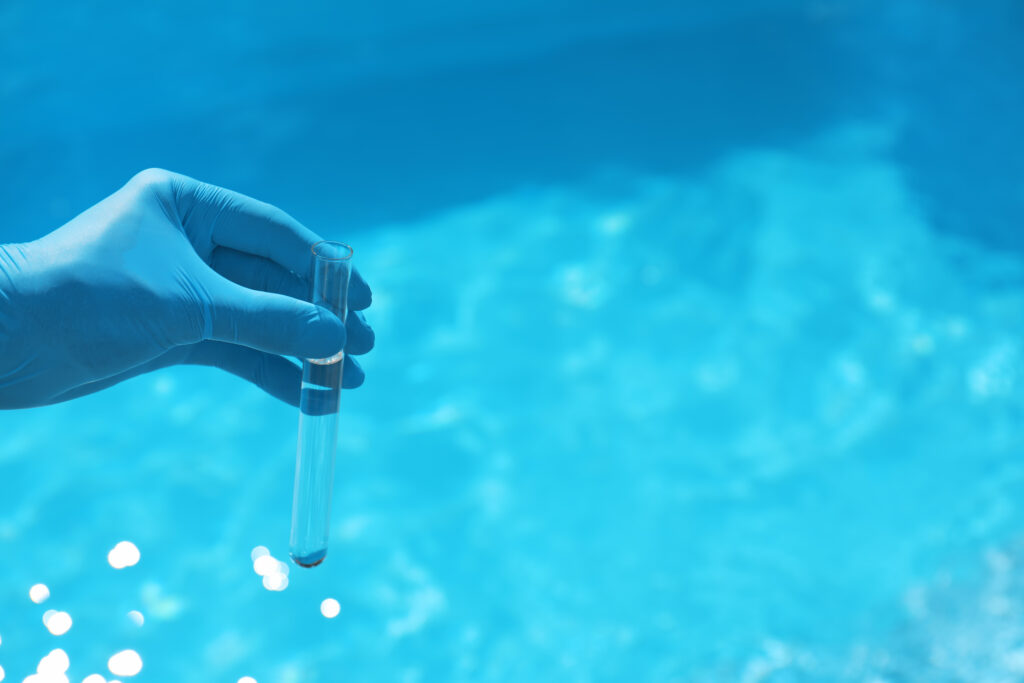
Owning a swimming pool comes with the reward of having a refreshing place to relax, exercise, and spend time with your loved ones. However, keeping it clean and comfortable requires more than removing leaves, vacuuming the floor, or running the filter every day.
Understanding water chemistry is one of the most important aspects of responsible pool ownership. When the water is properly balanced, swimmers enjoy a safer experience, pool equipment lasts longer, and maintenance becomes much easier.
Many pool problems start with small changes that go unnoticed. Cloudy water, unpleasant odours, skin irritation, algal growth, and stained surfaces often result from water imbalances rather than poor cleaning habits. Learning the basics of water chemistry allows pool owners to identify issues early and take simple steps before they become expensive repairs.
Key Takeaways
- Balanced water keeps swimmers comfortable and helps protect pool equipment.
- Regular testing makes it easier to catch problems before they worsen.
- pH, chlorine, alkalinity, calcium hardness, and stabilizer levels work together.
- Small, consistent adjustments are more effective than major chemical corrections.
- Routine monitoring helps create a cleaner, safer swimming environment.
Why Water Chemistry Matters
Pool water constantly changes.
Every swim session, rainstorm, sunny afternoon, or falling leaf can affect its chemical composition. Even adding fresh water changes the balance because local water supplies vary in mineral content and pH levels. When water remains balanced, sanitizers perform efficiently, surfaces stay cleaner, and equipment experiences less wear.
On the other hand, poor chemical balance can reduce sanitizer effectiveness, encourage algae growth, damage pool finishes, and shorten the lifespan of pumps, heaters, and filters.
Understanding how different water measurements interact helps pool owners make informed decisions rather than solely relying on guesswork.
The Importance of Regular Water Testing
Testing is the foundation of healthy pool care. Without accurate measurements, adding chemicals becomes little more than trial and error.
Most pool owners use one of several testing methods:
- Test strips
- Liquid testing kits
- Digital water testers
- Professional water analysis at a pool supply store
Testing should be performed 2-3 times each week during the swimming season. Pools that receive heavy use, experience frequent rain, or endure extreme heat may require more checks.
Keeping a record of test results also helps identify patterns. For example, if pH consistently rises after weekends with heavy swimming, future adjustments become easier to predict.
Understanding pH Levels
Among all water measurements, pH is one of the most important.
The pH scale measures how acidic or basic the water is. For most residential pools, the recommended range falls between 7.2 and 7.8.
If the pH becomes too low, the water turns acidic. Acidic water may:
- Irritate swimmers’ eyes
- Cause skin discomfort
- Corrode metal components
- Damage pool liners and plaster
If the pH becomes too high, problems may include:
- Cloudy water
- Scale formation
- Reduced chlorine effectiveness
- Rough pool surfaces
Because pH naturally changes over time, routine testing and small corrections help maintain a comfortable swimming environment.
Chlorine Keeps Water Sanitary
Chlorine remains the most widely used sanitizer for residential pools because it destroys bacteria, viruses, and algae. Many first-time pool owners mistakenly believe that a strong chlorine smell means the pool contains too much chlorine.
However, in reality, that odour strongly indicates the presence of chloramines, which form when chlorine reacts with contaminants introduced by swimmers.
Maintaining appropriate chlorine levels helps:
- Kill harmful microorganisms
- Prevent algae growth
- Keep water clear
- Reduce unpleasant odours
Sunlight gradually breaks down chlorine, especially during hot summer months. This explains why chlorine levels often decrease more quickly on bright, sunny days.
Total Alkalinity Supports Stability
Total alkalinity acts as a buffer that helps prevent sudden changes in pH.
When alkalinity falls too low, pH may fluctuate dramatically, making water difficult to manage. Constant swings often lead to repeated chemical adjustments and unnecessary frustration.
High alkalinity, however, can make lowering pH much more difficult. It may also contribute to cloudy water and mineral buildup. Keeping alkalinity within the recommended range creates a more stable foundation for all other aspects of pool water balance.
Calcium Hardness Protects Pool Surfaces
Calcium hardness measures the amount of dissolved calcium in the water.
Pools with very low calcium levels may develop aggressive water that seeks minerals from plaster, grout, and concrete surfaces. Over time, this can cause etching and structural damage.
Excessively high calcium levels create different challenges, including:
- White scale deposits
- Cloudy water
- Reduced heater efficiency
- Mineral buildup inside plumbing
Maintaining proper calcium hardness preserves both the appearance and durability of the pool.
Cyanuric Acid Helps Protect Chlorine
Also known as pool stabilizer or conditioner, cyanuric acid protects chlorine from rapid breakdown caused by ultraviolet rays.
Without sufficient stabilizer, chlorine may disappear within hours of exposure to direct sunlight. Too much cyanuric acid, however, can reduce chlorine’s sanitizing effectiveness.
This means chlorine may test at acceptable levels while still struggling to eliminate contaminants efficiently. Finding the proper balance allows chlorine to remain effective throughout the day without becoming overprotected.
Temperature Influences Water Quality
Many pool owners overlook the effect of temperature on chemical balance. Warmer water encourages faster bacterial growth and increases chlorine consumption.
Hot weather also speeds up water evaporation, leaving behind concentrated minerals that may alter chemical readings. During periods of high temperatures, testing should become more frequent. Increased swimmer activity during the summer months also introduces sunscreen, body oils, cosmetics, and organic matter that affect overall water quality.
Seasonal adjustments help maintain consistent conditions despite changing weather.
Rain Can Change Water Chemistry
Rainwater does more than simply raise the water level. Heavy rainfall can dilute sanitizers, alter pH, introduce airborne debris, and wash dirt, pollen, and organic material into the pool.
After major storms, pool owners should:
- Test all major chemical levels
- Remove debris promptly
- Brush pool walls
- Clean skimmer baskets
- Run the filtration system longer if needed
These actions help restore normal conditions before small problems develop into larger ones.
Common Signs That Water Is Out of Balance
- Pools usually provide visible clues when something needs attention.
- Cloudy water could suggest poor filtration, improper sanitizer levels, or incorrect pH.
- Green water frequently signals algae growth caused by inadequate sanitation.
- Scale deposits around tile lines may indicate elevated calcium hardness or high pH.
- Metal stains can result from excessive metals in the water or corrosive conditions.
- Swimmers may have itchy skin, burning eyes, or dry hair after swimming.
- Responding quickly to these symptoms helps prevent additional complications.
Why Filtration Works Together With Water Chemistry
Even perfectly balanced water depends on proper circulation.
A pool’s filtration system is designed to continuously remove dirt, debris, insects, and tiny particles that cloud the water. Running the pump for an appropriate number of hours each day allows chemicals to circulate evenly throughout the pool.
Cleaning filters also improves water clarity and reduces unnecessary strain on the equipment. Healthy water results from the combined efforts of circulation, filtration, sanitation, and balanced chemistry, rather than from any single factor.
Avoid Making Large Chemical Adjustments
Many beginners become impatient after receiving unexpected test results.
Adding several chemicals simultaneously often creates more problems because each adjustment affects other measurements.
A better approach includes:
- Test the water carefully.
- Adjust one issue at a time.
- Allow chemicals to circulate.
- Retest before making additional changes.
This method reduces the risk of overcorrection and helps identify which adjustment produced the desired improvement. Patience saves both time and money.
Seasonal Pool Care Requires Different Priorities
Water conditions change throughout the year.
Opening the pool after winter often requires extra testing because stagnant water may have accumulated debris and experienced chemical shifts. During peak summer months, frequent swimming and intense sunlight increase demand for sanitizers.
As cooler weather approaches, adjusting chemicals before closing the pool helps protect surfaces and equipment during the off-season. Recognizing these seasonal differences makes long-term pool maintenance much more manageable.
Simple Habits That Help Maintain Healthy Water
Many water quality problems can be prevented through consistent daily and weekly habits.
Helpful routines include:
- Remove leaves and debris regularly.
- Empty skimmer baskets before they overflow.
- Brush walls and steps every week.
- Vacuum the pool routinely.
- Run the filtration system consistently.
- Shower before swimming whenever possible.
- Test water on a regular schedule.
- Store pool chemicals safely in a cool, dry location.
These practices reduce contamination while maintaining stable chemical conditions year-round.
Knowing When Professional Help Is Needed
Although many chemical adjustments are straightforward, some situations benefit from professional assistance. Persistent cloudy water, recurring algal blooms, equipment corrosion, unexplained stains, or unstable readings may indicate issues that require advanced testing.
Professional pool technicians can evaluate circulation systems, inspect equipment, identify hidden problems, and recommend appropriate solutions based on detailed water analysis.
Seeking expert guidance early can help prevent more extensive repairs later.
The Bottomline
A little attention throughout the week goes a long way toward protecting both your investment and everyone’s enjoyment of the pool. Regular testing, balanced chemical levels, effective filtration, and consistent cleaning all contribute to a healthier swimming environment.
Rather than reacting only when problems appear, proactive care allows you to enjoy clearer water, improved equipment performance, and greater peace of mind throughout the season.
Still Unsure?
Don’t fret, because our team at Northern Lights Pools can help you understand your pool’s water chemistry and recommend practical solutions that fit your needs. Whether you need routine pool maintenance, water testing, chemical balancing, or professional guidance, we will help you keep your pool clean, comfortable, and prepared for every swim.
Reach out to us to maintain healthy, crystal-clear pool water all season long.